Fotona Laser Treatments for Fine-Tuning Your Skincare Plan
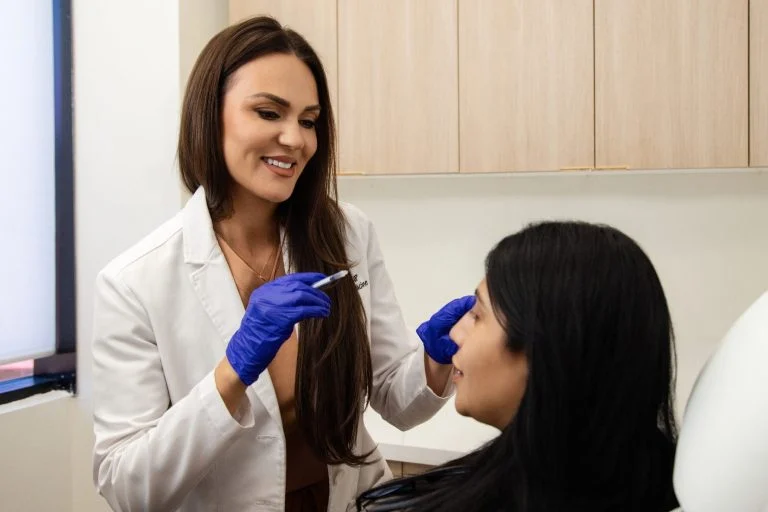
A good skincare plan is rarely built on products alone. Cleansers, antioxidants, retinoids, sunscreen, and occasional peels can take skin a long way, but there https://franciscotdme450.timeforchangecounselling.com/fotona-laser-treatments-for-confidence-boosting-skin-results is often a point where topical care stops delivering meaningful change. Fine lines linger. Texture remains uneven. Sun damage looks baked in. Mild laxity starts to show around the eyes or jawline, even when the rest of the routine is disciplined and consistent.
That is where in-office energy-based treatments can become useful, not as a replacement for skincare, but as a way to refine it. Fotona Laser Treatments often enter the conversation at exactly this stage. They occupy an interesting middle ground. For many patients, they are more active than routine facials and less disruptive than surgery. They can be adjusted to target pigment, texture, vascular concerns, collagen remodeling, and even areas like the lips or under-eye region, depending on the device settings and the practitioner’s treatment plan.
The real value of these treatments is not that they are trendy or high-tech. It is that they can be fitted into a broader skin strategy with a fair amount of precision. When used well, they help solve a specific problem that products cannot fully address, while preserving the healthy habits that keep skin stable over time.
Where Fotona fits in a modern skincare plan
People often think of laser treatment as a dramatic, once-a-year event. In practice, it is usually more nuanced than that. A skincare plan works best when it accounts for the skin you actually have, not the skin you wish responded to every serum. Some concerns are chemical. Some are structural. Some are vascular. Some are a mix of aging, sun exposure, genetics, and lifestyle.
Fotona systems are known for versatility because they commonly use different wavelengths and modes that allow a provider to tailor treatment depth and purpose. That matters. Skin concerns do not arrive one at a time. A patient may have mild rosacea, enlarged pores, early jowling, and post-acne redness all at once. A rigid treatment platform can struggle in that setting. A flexible one gives the clinician room to build a plan that is less generic.
From a practical standpoint, that means Fotona Laser Treatments may be used for resurfacing, tightening, stimulating collagen, reducing certain pigment irregularities, softening fine lines, improving acne-related texture, and supporting skin quality in areas that are difficult to treat with creams alone. The exact treatment experience varies widely because “Fotona” is a platform category rather than a single one-size-fits-all procedure.
That distinction is worth making early. Patients sometimes say they want “the Fotona laser” as if there is only one version. In reality, settings, handpieces, treatment passes, pulse duration, target depth, and endpoint all influence the result. The same brand can deliver a very different treatment depending on whether the goal is gentle rejuvenation, deeper resurfacing, or noninvasive tightening.
The appeal, precision without a one-note approach
One reason experienced clinicians keep returning to these treatments is control. Skin does not age in a uniform way. The forehead may need texture refinement, the cheeks may need collagen stimulation, and the lower face may benefit more from tightening than resurfacing. When a treatment system allows those decisions to be made area by area, the plan becomes more intelligent.
This matters especially for people who are not trying to look transformed. Most patients want to look rested, clearer, smoother, and firmer, while still looking like themselves. They do not necessarily want a dramatic recovery or an obvious “I had something done” phase. For that group, the ability to fine-tune intensity is a major advantage.
I have seen the best outcomes when treatment goals are narrow and realistic. A patient who wants softer acne scarring and a more even glow tends to do well when the treatment plan reflects those specific concerns. A patient who arrives hoping one laser session will erase deep folds, significant laxity, redness, pigmentation, and years of sun damage is usually headed for disappointment, regardless of the device.
What these treatments can realistically improve
A useful skincare plan starts with problem selection. Not every issue should be treated with laser, and not every laser concern needs aggressive treatment. Fotona Laser Treatments are often considered when the skin shows one or more of the following patterns:
- fine lines and crepey texture
- uneven tone from sun exposure
- enlarged pores and rough skin texture
- acne scars or lingering post-inflammatory redness
- mild to moderate skin laxity
That list looks simple, but the treatment decision behind each item is not. Fine lines around the eyes are different from etched lines around the mouth. Sun damage on fair skin behaves differently than pigment irregularity on deeper skin tones. Acne scars need a separate conversation from active acne. Laxity responds differently depending on age, tissue quality, and whether volume loss is part of the problem.
A strong provider will separate what is texture, what is pigment, what is redness, and what is sagging. That diagnostic step matters more than any marketing claim. Many disappointing outcomes happen because the patient’s main concern was never clearly defined. If someone says, “My skin just looks tired,” that can mean dullness, dehydration, volume loss, broken capillaries, loss of elasticity, or all five.
Fine-tuning versus over-treating
One of the most common mistakes in cosmetic skincare is trying to do too much at once. There is a temptation to stack treatments aggressively, especially when social media normalizes the idea that more intensity equals better results. In reality, skin often responds best to well-spaced, purpose-driven sessions.
A patient in their early forties with good daily skincare, mild photoaging, and some under-eye crepiness may not need a heavy resurfacing protocol. They may do better with a conservative collagen-stimulating series, paired with sun protection and a retinoid they can actually tolerate. Someone else with years of sun damage, irregular texture, and visible acne scarring may need a more committed resurfacing plan and a longer recovery window.
The point is not whether a treatment is “strong.” The point is whether it matches the problem. Fine-tuning a skincare plan means respecting the threshold between enough and too much. Skin that is chronically inflamed from over-treatment becomes reactive, dull, and harder to manage, even if every step sounded impressive on paper.
The relationship between lasers and topical skincare
Laser treatment works best when the surrounding skincare is sensible. I have yet to see a laser make up for chronic neglect in the basics. If sunscreen use is inconsistent, if the skin barrier is constantly disrupted by harsh acids, or if active acne is left untreated, any improvement from a procedure will be limited.
At the same time, topical skincare can be upgraded after a laser series because the skin often becomes more responsive once deeper texture and damage are addressed. This is one of the less glamorous but more satisfying parts of treatment planning. Patients who felt they were throwing money at serums sometimes find that their routine starts performing better after the skin has been reset in a meaningful way.
For example, a patient with rough sun-damaged skin may complain that every brightening product feels disappointing. After carefully chosen laser sessions improve surface irregularity and stimulate repair, the same vitamin C serum may suddenly seem more effective. It is not magic. The treatment removed some of the obstacles that were preventing visible change.
That does not mean every product becomes essential. In fact, good post-treatment plans are usually simpler than people expect. A gentle cleanser, barrier-supportive moisturizer, broad-spectrum sunscreen, and a controlled reintroduction of active ingredients often outperform a crowded regimen.
Downtime, discomfort, and the part people underplay
Patients usually ask two practical questions first: “Will it hurt?” and “How long will I look strange?” Both are reasonable, and both deserve honest answers.
Discomfort ranges from very tolerable warmth to a more intense snapping or heat sensation, depending on the treatment depth and setting. Some sessions feel like a series of quick hot pinches. Others are milder and easier to manage. Topical numbing may help in some cases, though the need depends on the protocol and the area treated.
Downtime also varies. A light rejuvenation session may cause several hours to a couple of days of redness and a dry, tight feel. A more aggressive resurfacing treatment can involve swelling, bronzing, flaking, rough texture, and visible recovery for several days to over a week. This is exactly why the phrase “lunchtime procedure” can be misleading. Some treatments truly are low disruption. Others are not, and patients should plan accordingly.
The social side of downtime matters more than clinics sometimes admit. A school teacher, trial attorney, bridal client, or someone who appears on camera regularly may need a very different treatment schedule than a remote worker with flexible privacy. The best plan is not the one with the strongest before-and-after photo. It is the one the patient can realistically commit to without stress or regret.
Skin tone, sensitivity, and the need for judgment
Laser planning becomes more delicate in patients with melanin-rich skin, a history of post-inflammatory hyperpigmentation, rosacea, eczema, or an easily irritated barrier. None of those factors automatically rule out treatment, but they do require a more thoughtful approach.
This is where experience is visible. A seasoned clinician does not just ask, “What do you want treated?” They ask how your skin heals after a bug bite, whether you pigment after inflammation, whether retinoids make you peel for a week, whether you flush easily, and whether you have ever formed prolonged redness after a procedure. Those details can shape settings, spacing, pre-treatment prep, and aftercare.
For some patients, the safest path is lower intensity with more sessions. That may not sound as exciting as an aggressive one-and-done approach, but it often leads to a steadier and safer result. Especially in skin that reacts strongly, restraint is not a compromise. It is good medicine.
How a series is usually planned
Most meaningful laser outcomes are built over time. That does not always mean many sessions, but it does mean a sequence rather than a single isolated event. The skin needs time to respond biologically, particularly when collagen remodeling is one of the goals. Improvement can continue for weeks or months after treatment, which is another reason impatience leads people off course.
A typical plan might include a consultation, photography under consistent lighting, discussion of skincare habits, review of recent procedures, and then a set of treatment sessions spaced several weeks apart. Follow-up is not filler. It is where the provider evaluates whether the treatment endpoint matched the response, whether downtime was acceptable, and whether the next session should be repeated, softened, or adjusted.
Patients often do best when they view Fotona Laser Treatments as part of a seasonal or annual maintenance strategy. Someone may choose a resurfacing-focused period in cooler months, then maintain with simpler skincare and strict photoprotection through the summer. Another person may use collagen-stimulating sessions to support skin firmness over time, especially if they are not ready for injectables or surgery.
What to ask before committing
The consultation determines more than most people realize. A polished website or a confident sales pitch tells you very little about whether the treatment is right for your skin.
Ask questions that reveal clinical thinking:
- Which specific concern are you targeting first, texture, pigment, redness, or laxity?
- What kind of recovery should I expect on day one, day three, and day seven?
- How many sessions are typical for someone with skin like mine?
- What are the risks for hyperpigmentation, prolonged redness, or poor healing in my case?
- How should I adjust my skincare before and after treatment?
These questions do not make you difficult. They help clarify whether the provider has a plan that goes beyond a scripted recommendation. Good aesthetic medicine is rarely generic. If every patient in the consultation room seems to be offered the same package, caution is warranted.
Pairing treatment with the right home routine
Aftercare and maintenance are where results either stabilize or fade prematurely. The skin has different needs in the week after treatment than it does a month later. Immediately after a laser session, barrier support usually matters more than performance ingredients. Trying to rush back into exfoliants, strong retinoids, or multiple acids can turn a normal recovery into prolonged irritation.
Later, once healing is complete, home care should reinforce the gains from treatment. That usually means sun protection, consistent but not excessive use of proven actives, and attention to pigmentation triggers if they are relevant. Patients with melasma, for instance, need especially careful counseling because heat and light can complicate the picture. Laser can help some components of uneven tone, but melasma requires strategic management and honest expectations.
One pattern I see often is the patient who invests in a procedure, then neglects sunscreen because “the damage is already fixed.” That logic never holds up. Lasers can improve signs of damage, but they do not make skin immune to future exposure. If anything, a patient who has paid for visible improvement should be more motivated to protect it.
Where this approach shines, and where it has limits
Fotona Laser Treatments are especially useful when someone wants meaningful improvement without jumping immediately to more invasive measures. They can also serve patients who are diligent with skincare but have hit a plateau. In those scenarios, a carefully selected laser plan can create visible refinement that products alone could not achieve.
Still, there are limits. Deep static wrinkles may need more than laser. Significant skin laxity may be better addressed with surgery, or at least with a candid discussion about how modest noninvasive tightening can be. Volume loss in the midface is not the same problem as rough texture on the cheeks. Lasers do not replace every other modality, and they should not be sold as if they do.
That balance, optimism with boundaries, is what makes a skincare plan credible. The best aesthetic outcomes come from matching the right tool to the right issue, then sequencing treatments in a way the skin can tolerate.
A smarter way to think about “better skin”
The most successful patients are rarely chasing perfection. They are looking for control. They want skin that reflects the care they already put into it. They want fewer distractions when they look in the mirror, less redness, softer lines, smoother texture, a fresher surface. They want strategic improvement, not chaos.
Seen through that lens, Fotona Laser Treatments make sense not as a standalone miracle, but as a calibrating tool. They can sharpen a good skincare plan, address concerns that products cannot fully reach, and create a more responsive foundation for long-term maintenance. That is the right way to evaluate them, not by asking whether they do everything, but by asking whether they do the specific job your skin needs done.
When the answer is yes, and when the treatment is planned with judgment, timing, and restraint, the result is often exactly what patients hoped for in the first place. Not a different face, not an exaggerated glow, just skin that looks more even, more rested, and more like it belongs to someone whose routine is finally working.
OMNIA Wellness Center
Address: 16430 Ventura Blvd Ste 207, Encino, CA 91436
Phone number: +18183868511
FAQ About Fotona Laser Treatments
What is a Fotona laser good for?
A Fotona Laser system is a versatile, dual-wavelength medical laser used primarily for non-surgical skin tightening, anti-aging rejuvenation, and dermatological treatments.
How much does the Fotona laser cost?
The cost of a Fotona laser depends heavily on whether you are looking to purchase a laser machine for a medical practice or are a patient seeking a laser treatment at a medspa.
Is a Fotona laser worth it?
A Fotona laser treatment is generally worth it if you want non-surgical skin tightening, improved texture, and collagen stimulation with very little downtime.