What Are Fotona Laser Treatments and How Do They Work?
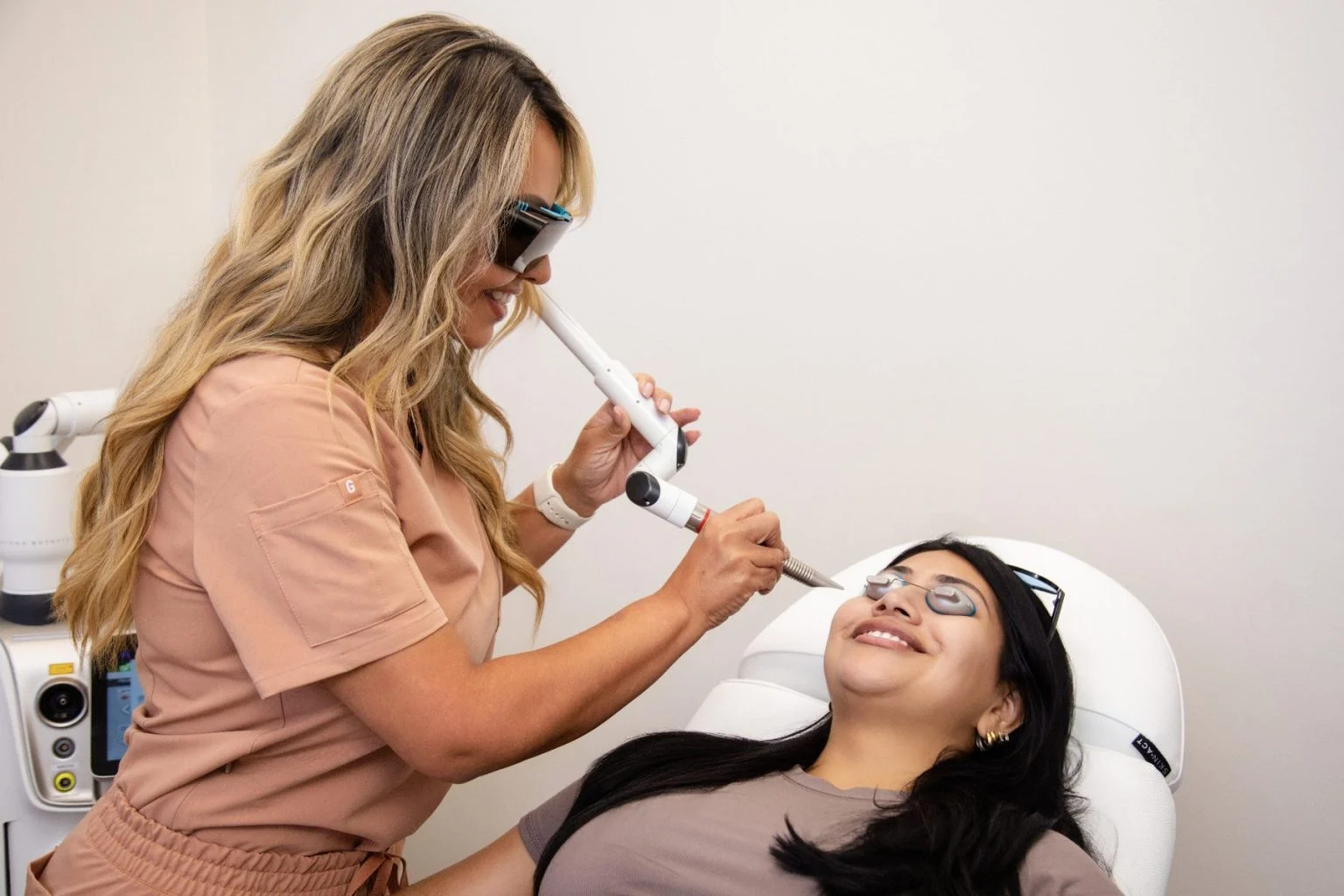
Walk into a modern aesthetic or dermatology clinic and you will hear the word "laser" used as if it describes one thing. It does not. The category is broad, and results vary enormously depending on wavelength, pulse duration, delivery mode, practitioner skill, and the condition being treated. Fotona sits in a part of that landscape that clinicians often respect for one simple reason: versatility. A Fotona platform is not a single treatment. It is a laser system, or more accurately a family of systems, that can be configured for different skin concerns, gynecologic applications, and some dental or surgical uses depending on the model and setting.
That distinction matters because patients often arrive expecting a one-size-fits-all experience. They have seen a "before and after" online, heard a friend talk about tightening or acne scar improvement, and assume the machine itself guarantees the outcome. In practice, the device is only part of the story. What makes Fotona Laser Treatments notable is the way they combine specific laser wavelengths with carefully controlled tissue interaction. That allows clinicians to target pigment, vascularity, texture, laxity, superficial lesions, or deeper remodeling with a fair amount of precision.
If you are trying to understand what Fotona Laser Treatments actually are, it helps to strip away the marketing language and look at the mechanics. Once you understand how the energy interacts with skin and tissue, the reasons behind the treatment plans, downtime, and expected results become much easier to judge.
The basic idea behind Fotona systems
Fotona is a medical laser manufacturer best known in aesthetic medicine for platforms that commonly use two laser types: Er:YAG and Nd:YAG. These names refer to the active laser medium and the wavelength produced. Each wavelength behaves differently in tissue because different skin components absorb light differently.
The Er:YAG laser emits light at 2940 nm, a wavelength strongly absorbed by water. Since skin contains a great deal of water, this laser is highly effective for precise ablation, meaning removal or vaporization of very superficial tissue. That makes it useful for resurfacing, textural refinement, scar work, and treatments where clinicians want controlled removal with relatively limited heat spread.
The Nd:YAG laser, usually at 1064 nm, penetrates more deeply and is less strongly absorbed by water at the surface. It can deliver thermal energy deeper into the dermis and is often used for vascular lesions, hair reduction in certain contexts, non-ablative tightening, and collagen stimulation. Depending on settings, pulse durations, and spot sizes, the same wavelength can behave quite differently.
That dual-wavelength approach is one reason Fotona Laser Treatments have developed such a broad reputation. A clinic can use the system for gentle collagen stimulation, aggressive resurfacing, or layered protocols that combine modes in a single session. In experienced hands, this flexibility is a strength. In inexperienced hands, it can create unrealistic promises, because versatility is only useful when the operator understands tissue endpoints and patient selection.
How laser energy actually changes skin
Most patients want the simple version: does it burn the skin, does it stimulate collagen, or does it remove something? The answer is often yes to one or more of those, depending on the treatment.
Laser treatments work by delivering light energy that tissue absorbs and converts to heat. The important question is where that heat goes. If a wavelength is absorbed primarily at the surface, the effect is more superficial. If it penetrates deeper before being absorbed, it can heat deeper structures without removing the top layer.
With Fotona Laser Treatments, the mechanism usually falls into one of these patterns:
- superficial ablation for resurfacing and textural correction
- controlled heating of deeper dermal tissue to stimulate collagen remodeling
- selective treatment of vascular or pigmented targets
- combination protocols that stack superficial and deep effects in a planned sequence
Collagen stimulation deserves special attention because it is one of the most overused phrases in aesthetics. Collagen remodeling is real, but it is not magic. When dermal tissue is heated to a therapeutic range without causing uncontrolled injury, the body responds by repairing and reorganizing the structural proteins in the skin. That process takes time. Patients may notice an early "tight" look caused by transient swelling or tissue contraction, but the more meaningful changes in firmness and texture usually develop over weeks to months.
Ablative treatments work more visibly. With an Er:YAG setting, a clinician can remove thin layers of damaged surface skin. During healing, the skin re-epithelializes, and over time the texture can look smoother and more even. This is often why acne scars, roughness, fine lines around the mouth, or sun-damaged patches improve after appropriate resurfacing.
Why Fotona is often described as customizable
Many aesthetic devices do one thing reasonably well. Fotona systems are often chosen because they can be adjusted across a wide spectrum of intensity and treatment goals. This is why one patient may describe the experience as a warm lunch-break tightening session, while another spends a week healing from a far more intensive resurfacing procedure. Both may be referring to Fotona Laser Treatments, but they are not talking about the same protocol.
Some branded protocols combine multiple passes or modes. One example that gets a great deal of attention is 4D-style facial rejuvenation, a layered treatment concept that may include intraoral tightening, superficial fractional work, deeper dermal heating, and light resurfacing. The appeal is obvious. Aging is not a single-layer problem. Volume changes, dermal thinning, textural roughness, and laxity all happen at once. Layered treatment acknowledges that reality.
Still, customization is not automatically better. A complex treatment plan only makes sense if each step serves a clear purpose. Good clinicians can explain not just what they are doing, but why they are doing it in that order, at that strength, and for your skin type.
Common uses in aesthetic practice
Although platform capabilities differ, several uses come up repeatedly in clinics that offer Fotona Laser Treatments.
- facial rejuvenation, including texture, mild laxity, and fine lines
- acne scar treatment and scar remodeling
- pigmentation and sun-damage correction in selected patients
- vascular concerns such as redness or visible small vessels in appropriate cases
- intimate health and other non-facial applications when the clinic is specifically trained for them
Facial rejuvenation tends to attract the most interest because it can range from subtle refreshment to meaningful resurfacing. In practice, the most satisfied patients are usually the ones with clear priorities. Someone bothered by perioral lines, acne scarring, or crepey lower eyelid texture often sees the value more quickly than someone hoping a laser will replace a surgical facelift. Lasers improve tissue quality well. They do not reposition heavy tissue the way surgery can.
Scar treatment is another area where Fotona can be useful, especially for rolling or shallow boxcar acne scars when paired with realistic expectations. Deeper tethered scars may need subcision, filler, or a combination approach. This is one of the places where experience shows. The practitioner who says "your scars are mixed, so laser alone will help some components more than others" is usually giving a more honest assessment than the one promising complete erasure.
What a treatment session feels like
Experience varies depending on the settings and the body area, but there are some consistent themes. Non-ablative modes often feel hot, prickly, or like quick elastic snaps paired with bursts of heat. Ablative resurfacing is more intense and usually involves topical numbing, cooling, and stronger aftercare instructions.
One practical point patients appreciate: treatment discomfort is not a perfect predictor of results. A well-calibrated session can feel surprisingly tolerable and still be effective. On the other hand, a dramatic, painful session is not evidence of superior treatment. It may simply reflect more aggressive settings.
For a lighter rejuvenation session, many people leave with pinkness and warmth that settle within hours to a day or two. For a more aggressive resurfacing treatment, redness, swelling, roughness, and a sandpapery texture can last several days, sometimes longer. The face often looks worse before it looks better, which is normal and worth planning around. If a clinic downplays downtime for an ablative treatment, that should raise questions.
How many sessions are usually needed
This depends on both the target problem and the intensity per session. Mild texture refinement or non-ablative tightening often requires a series, commonly three to five sessions spaced several weeks apart. Deeper resurfacing may involve fewer sessions because each treatment is stronger, but it also comes with more recovery.
There is always a trade-off between downtime and the pace of visible change. Patients often want "maximum result, minimum recovery," but those goals pull in opposite directions. A practitioner has to decide whether to stack several lighter treatments, perform one or two stronger procedures, or combine laser with other modalities such as microneedling, injectables, peels, or surgery.
That is why the best consultation usually sounds more like strategic planning than sales. The right question is not "what does this laser do?" It is "what is the most efficient route to the result I want, given my skin type, schedule, and tolerance for downtime?"
The difference between ablative and non-ablative Fotona treatments
This distinction shapes almost everything, from healing time to risk profile.
Ablative treatments remove or vaporize a controlled amount of the skin surface. They are generally used when texture, etched-in lines, roughness, or scars are major concerns. Because they create an open injury pattern, they can produce strong visible improvement, but they also require stricter aftercare and more recovery.
Non-ablative treatments heat tissue without removing the surface in the same way. Their appeal is shorter downtime and a lower barrier to treatment. The trade-off is that results are usually subtler per session and often cumulative rather than dramatic.
Neither approach is universally better. Someone in their early forties with mild laxity and no significant sun damage may benefit from a non-ablative series and regular maintenance. Someone with marked perioral lines from years of sun exposure may need resurfacing to see meaningful change. When clinics present every patient with the same protocol, that is usually a sign that convenience is driving the plan more than clinical judgment.
Skin type, safety, and who needs extra caution
Laser safety always depends on more than the machine. Skin type, tanning status, medical history, medication use, and recent procedures matter. Darker skin tones can absolutely be treated with certain laser modalities, but the risk of post-inflammatory hyperpigmentation increases when surface injury or excessive heat is not managed carefully.
Recent sun exposure complicates treatment because tanned skin contains more active pigment, which changes how energy is absorbed. Patients on isotretinoin, those with a history of poor wound healing, frequent cold sores, melasma, or inflammatory skin conditions need individualized assessment. Pretending every face is a blank canvas is one of the quickest ways to create complications.
The issue of melasma deserves care. Heat can aggravate it. A laser that improves superficial pigmentation in one patient may trigger rebound darkening in another. That does not mean laser is always off the table, but it does mean a cautious practitioner will discuss the possibility of flare, use conservative parameters when appropriate, and pair treatment with pigment-control strategies rather than treating the laser as a stand-alone fix.
What recovery really looks like
Patients tend to remember two things after a laser treatment: how they looked on day two and whether the clinic prepared them honestly. Good aftercare starts before the appointment. If someone has a history of herpes simplex around the mouth, preventive antiviral medication may be considered for resurfacing around that area. If they use strong retinoids or exfoliants, those may need to be paused. If they think they can get a treatment on Friday and attend a major event on Saturday, that misunderstanding needs correcting before the laser is switched on.
During recovery, the main priorities are barrier support, infection prevention when relevant, sun avoidance, and patience. The skin may feel hot, tight, itchy, or rough. Mild swelling around the eyes is common after facial work. Peeling should not be picked. Early pinkness can linger longer than expected, especially after stronger resurfacing. This is not necessarily a complication. It is part of the remodeling process.
Sun protection after treatment is not optional. Freshly treated skin is more vulnerable to pigmentation changes and irritation. In practical terms, that means broad-spectrum sunscreen, hats, and a realistic approach to outdoor plans for at least the immediate recovery period and ideally longer.
Results people tend to notice first
The earliest visible changes are not always the most important. Right after treatment, mild swelling can create temporary smoothness. Once that settles, patients sometimes worry they have "lost the result." Then the slower part begins. Skin can continue to improve in texture and tone over the following weeks as healing and remodeling progress.
For resurfacing patients, the first meaningful signs are often smoother feel, softer fine lines, and a more even reflection of light across the skin. For tightening protocols, people often say their face looks a bit firmer or less fatigued before they can identify a specific line that improved. Scar patients may notice shallower edges and better makeup laydown before they see dramatic changes in photographs.
Photography helps, but only when it is done well. Lighting, angle, facial expression, and skin hydration can distort perception. The fairest way to judge Fotona Laser Treatments is through standardized photos and a timeline long enough for collagen remodeling to happen.
Where expectations commonly drift off course
The biggest mismatch happens when patients expect a laser to solve structural problems that are not mainly about skin quality. Lasers can improve texture, pore appearance, superficial pigmentation, and fine lines quite well. They are much less effective for pronounced jowling, heavy neck laxity, substantial under-eye https://maps.app.goo.gl/qXD4j3287tCBo42W7 bags, or deep volume loss. A device can improve the wrapper. It cannot always fix what has shifted underneath the wrapper.
Another common problem is overestimating permanence. Skin continues to age. Sun exposure continues. Facial movement continues. Good results can last, but they still need maintenance, and lifestyle matters. A patient who resurfaces once and then returns to inconsistent sunscreen use, smoking, or frequent tanning is not giving the treatment much help.
Questions worth asking before you book
Choosing a clinic for Fotona Laser Treatments is not just about price. It is about whether the person treating you understands both the machine and the biology.
- Which Fotona wavelength or protocol are you recommending for my specific concern?
- How much downtime should I realistically expect, not the best-case scenario?
- How many sessions do you think I will need, and what result would count as a success?
- What risks are most relevant for my skin type and history?
- If laser alone is not enough, what combination approach would you consider?
Those questions do two things. First, they reveal whether the clinic is thinking in a tailored way. Second, they help you spot vague answers. "It depends" can be an honest starting point, but it should be followed by specifics. A thoughtful clinician will usually talk through your skin quality, pigmentation pattern, scar type, or degree of laxity in concrete terms.
How Fotona compares with other energy devices
Patients often ask whether Fotona is better than CO2, radiofrequency microneedling, IPL, or other branded lasers. That question has no universal answer because the tools do different jobs. A fractional CO2 treatment may outperform a gentler Er:YAG session for certain deep wrinkles, but it may also come with more heat, more downtime, and a different risk profile. Radiofrequency microneedling may help some acne scars or mild tightening concerns, especially in skin types where surface-focused laser settings require extra caution. IPL is often excellent for diffuse redness and superficial pigmentation but is not a resurfacing tool in the way an ablative laser is.
This is where brand loyalty can mislead people. No serious clinician should need every problem to be solved by the device they own. The best treatment recommendations often sound less glamorous and more nuanced. Sometimes the answer is Fotona. Sometimes it is another laser. Sometimes it is no laser at all.
Cost, value, and the reality behind pricing
Pricing varies widely by region, clinic expertise, treatment complexity, and whether multiple passes or areas are involved. A brief non-ablative session will not cost the same as a physician-led resurfacing treatment with numbing, follow-up care, and substantial downtime. Patients sometimes compare prices without realizing they are comparing completely different levels of intensity.
Value comes down to alignment. An expensive treatment that is perfectly chosen can be worthwhile. A discounted treatment done on the wrong candidate or at timid settings that never had a chance of producing the promised result is not a bargain. Ask what is included, who performs the procedure, whether follow-up is built in, and what happens if you need adjustments or additional sessions.
The bottom line on how Fotona Laser Treatments work
Fotona Laser Treatments work by delivering targeted light energy into tissue, where it is absorbed and transformed into a controlled therapeutic effect. Sometimes that effect is superficial ablation. Sometimes it is deeper heating and collagen remodeling. Sometimes it is a layered combination designed to improve texture, tone, laxity, or scars with more precision than a single-mode treatment could offer.
Their strength lies in flexibility, but flexibility only helps when the treatment plan matches the patient. The machine matters. The wavelength matters. The settings matter. Even more than that, the diagnosis matters. Good outcomes come from understanding what problem is actually being treated, what degree of change is realistic, and how much recovery the patient can truly accommodate.
For anyone considering Fotona Laser Treatments, that is the useful lens to keep. Not whether the name sounds advanced, but whether the treatment strategy makes clinical sense for your skin, your goals, and your threshold for downtime. When those pieces line up, the results can be impressive, subtle in the right ways, and durable enough to justify the effort. When they do not, even a well-known laser platform can become just another expensive appointment.
OMNIA Wellness Center
Address: 16430 Ventura Blvd Ste 207, Encino, CA 91436
Phone number: +18183868511
FAQ About Fotona Laser Treatments
What is a Fotona laser good for?
A Fotona Laser system is a versatile, dual-wavelength medical laser used primarily for non-surgical skin tightening, anti-aging rejuvenation, and dermatological treatments.
How much does the Fotona laser cost?
The cost of a Fotona laser depends heavily on whether you are looking to purchase a laser machine for a medical practice or are a patient seeking a laser treatment at a medspa.
Is a Fotona laser worth it?
A Fotona laser treatment is generally worth it if you want non-surgical skin tightening, improved texture, and collagen stimulation with very little downtime.